
Home • Cleaning Checklists • Commercial Cleaning Checklist: Daily, Weekly, and Monthly Office Tasks
Commercial Cleaning Checklist: Daily, Weekly, and Monthly Office Tasks

Quick answer: A commercial cleaning checklist is a written list of every cleaning task in a workplace, grouped by how often it has to happen (daily, weekly, monthly, and quarterly) and by zone: workstations, restrooms, break room, floors, and entry. It keeps an office clean on a steady rhythm instead of in catch-up mode, and it is the simplest way to confirm that a cleaning crew did the whole job.
An office rarely gets dirty all at once. Crumbs collect in the break room, fingerprints stack up on door handles, and the restroom that looked fine on Monday is a problem by Thursday. A commercial cleaning checklist turns that slow slide into a list of small jobs that anyone can check off, so nothing depends on someone remembering.
At Lucy’s Cleaning Home we have spent more than 16 years cleaning homes, offices, and small business spaces across the Merrimack Valley and southern New Hampshire, from Haverhill and Lowell up to Manchester. Below is the commercial cleaning checklist our team follows, written so an office manager can use it for an in-house routine or hand it straight to a cleaning crew.
What is a commercial cleaning checklist?
A commercial cleaning checklist is a structured task list for a business space. It answers three questions: what gets cleaned, how often, and who signs off. A home list is built around one family’s habits. An office cleaning checklist has to work for many people who share the same desks, doors, sinks, and microwave, and who are not responsible for cleaning any of it. New to the topic? Start with what is commercial cleaning and how it differs from home cleaning.
That is the main difference from our full house cleaning checklist: the office version is organized by shared zones and by accountability, not by rooms in a home. A good one covers:
- Zones: workstations, conference rooms, restrooms, break room, floors, and the entry or reception area
- Frequencies: daily, weekly, monthly, and quarterly tasks, each in its own column
- Sign-off: a date and initials next to every completed block, so gaps are visible
- Supplies and product notes: which cleaner goes where, and which surfaces need a disinfectant
Why does every office need a commercial cleaning checklist?
Every office needs a commercial cleaning checklist because shared surfaces are touched by many hands, and tasks without an owner get skipped. The CDC advises businesses to clean high-touch surfaces regularly and names desks, door handles, elevator buttons, touchpads, and restroom fixtures as examples (CDC, When and How to Clean and Disinfect a Facility). A list is what makes “regularly” actually happen.
In practice, a written list gives you five things:
- Consistency. The same tasks get done at the same interval, whoever is cleaning.
- Accountability. Initials and dates show exactly what was done and what was missed.
- An easy handoff. A new employee or a new cleaning crew can start on day one.
- Longer-lasting floors and furniture. Grit and spills removed early do less damage.
- A better first impression. Clients notice the reception desk and the restroom first.
Daily commercial cleaning checklist
The daily commercial cleaning checklist covers the tasks that stop dirt and germs from building up between visits. How long they take depends on square footage, headcount, and the number of restrooms. Work zone by zone and finish the floors last.
Workstations and common areas
- Empty every trash can and recycling bin, and replace liners
- Wipe clear desk surfaces, without moving papers or equipment
- Clean high-touch points: door handles, light switches, railings, elevator buttons, and shared phones
- Wipe conference tables and chair arms after meetings
Restrooms
- Clean and disinfect toilets, urinals, sinks, and faucets
- Wipe mirrors and partitions, and spot-clean walls
- Refill soap, paper towels, and toilet paper
- Mop the floor, working from the far corner to the door
Break room
- Wipe counters, tables, and the sink
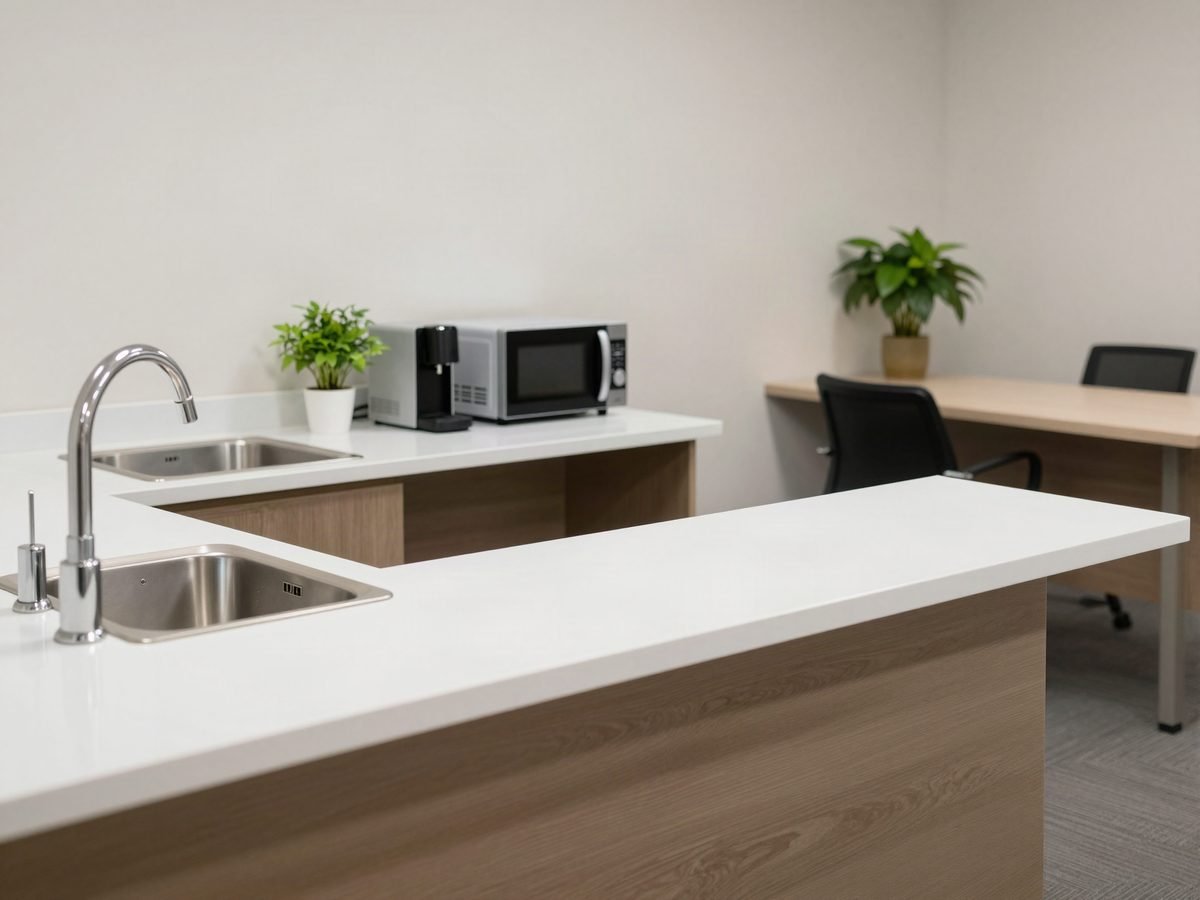
- Clean the microwave door and handle, the fridge handle, and the coffee station
- Load or run the dishwasher and take out the food waste
Floors and entry
- Vacuum carpeted walkways and entry mats
- Sweep and damp-mop hard floors in high-traffic areas
- Clean fingerprints from the front door glass
Cleaning or disinfecting: which does an office need every day? For most surfaces, a daily clean is enough. The CDC notes that cleaning alone removes most types of harmful germs, and it reserves disinfection for areas where someone has obviously been ill. When you do disinfect, use a product registered by the EPA for the specific germ; the agency keeps a searchable list of selected EPA-registered disinfectants. Always follow the label’s contact time: a disinfectant wiped off in five seconds has not done its job.
Weekly office cleaning checklist
A weekly office cleaning checklist handles the jobs that do not need daily attention but decay quickly when they are skipped. Spread them across the week, one zone per day, the same way a household cleaning schedule spreads chores so no single visit runs long. On a commercial cleaning checklist, these tasks get their own column.
- Dust shelves, window sills, picture frames, and the tops of cubicle walls
- Vacuum under desks and along baseboards, not just the walkways
- Wipe office chairs, keyboards, and phones (with power off and the user’s permission)
- Clean all interior glass, including partitions and conference room doors
- Descale restroom faucets and scrub the grout lines around sinks
- Empty and wipe the break room fridge, and throw out unlabeled food on a set day
- Clean the inside of the microwave and wipe small appliances
Monthly and quarterly commercial cleaning checklist
The monthly and quarterly commercial cleaning checklist catches the buildup that daily and weekly work leaves behind. These are the tasks most offices forget, which is exactly why they belong on paper.
Monthly
- Dust air vents, returns, and light fixtures
- Wipe baseboards, door frames, and the kick plates on doors
- Vacuum upholstered chairs and break room seating
- Clean behind the restroom toilets and under the sinks
- Wash trash cans, not just the liners
Quarterly
- Deep clean carpets in walkways and at the entry
- Strip and refinish or deep scrub hard floors, as the flooring requires
- Clean inside the break room cabinets and behind the fridge
- Move furniture in conference rooms to clean underneath
- Review the checklist itself and adjust frequencies to how the office is really used
For the quarterly reset, the logic is the same one we follow in homes. Our room-by-room deep cleaning checklist shows the top-to-bottom order that keeps you from cleaning the same spot twice.
Commercial cleaning checklist at a glance
The table below condenses the commercial cleaning checklist into one view: each zone, and what happens to it at every frequency. Print it and post it inside the cleaning closet.
| Zone | Daily | Weekly | Monthly | Quarterly |
|---|---|---|---|---|
| Workstations | Trash, desk wipe, high-touch points | Dust, chairs, keyboards | Vents and light fixtures | Move furniture, clean under |
| Restrooms | Disinfect fixtures, refill, mop | Descale faucets, scrub grout | Behind toilets, under sinks | Deep scrub floors and walls |
| Break room | Counters, sink, handles, dishes | Empty fridge, microwave inside | Wash trash cans | Inside cabinets, behind fridge |
| Floors | Vacuum walkways, mop traffic areas | Vacuum under desks, baseboards | Wipe baseboards and kick plates | Carpet deep clean, floor care |
| Entry and reception | Door glass, mats, front desk | Interior glass, sills | Door frames, vents | Refresh mats, deep clean entry |
Does the cleaning order really matter in an office? Yes. Work top to bottom, so dust falls onto surfaces you have not finished yet, and clean from the cleanest zone to the dirtiest, which usually means the restrooms come last. Use separate cloths for restrooms and for everything else. Many crews color-code them so a restroom cloth never reaches a break room counter.
How do you adapt the checklist to your type of office?
Adapt the commercial cleaning checklist by headcount, foot traffic, and what happens in the space. A commercial office cleaning checklist for a 40-person floor needs daily restroom visits; a three-person office may be fine with cleaning two or three times a week.
- Small office cleaning (under 10 people): combine the daily and weekly lists into two or three visits a week, and keep the break room and restroom on every visit.
- Offices that receive clients: move the entry, reception desk, and conference room to the top of every visit. They shape the first impression.
- Shared or multi-tenant spaces: agree in writing who cleans the common hallways, restrooms, and kitchen, so each tenant’s list stops at its own door.
- Medical and dental offices: a medical office cleaning checklist must follow the infection-control rules of that practice and its regulators. The list in this guide is a baseline for general offices, not a replacement for clinical protocols.
The restroom block deserves its own page in any office. Our bathroom cleaning checklist for every restroom breaks down the weekly and monthly tasks in more detail, and the same steps apply to a shared office restroom used by many people. For the break room, the method in how to clean a kitchen the right way carries over directly: clear, degrease, wipe, disinfect the sink last, then the floor. For the restroom itself, our restroom cleaning checklist for offices goes task by task.
Checklist or template: which format works best? The best office cleaning checklist format is one page per zone, with tasks as rows and the days of the week as columns, plus a box for initials. A commercial cleaning checklist template in a spreadsheet is easy to adjust, while a printable office cleaning checklist taped inside the supply closet is the one people actually use. Whichever format your commercial cleaning checklist uses, date every sheet and keep the last three months on file.
How do you use a commercial cleaning checklist with a cleaning crew?
Use the commercial cleaning checklist as the written scope of work. It is the document that settles what “clean” means before the first visit, not after the first complaint. Here is the process we follow with offices:
- Walk through the space together. Note every zone, the flooring types, and the surfaces that need special products.
- Agree on the scope line by line. Mark each task daily, weekly, monthly, or quarterly, and cross out what does not apply.
- Set the visit schedule and access. Most offices want cleaning outside business hours so nobody loses a working day.
- Sign off after every visit. Initials on the sheet, or a short message, confirm what was completed.
- Review after the first month. Adjust frequencies to real use. The break room almost always needs more attention than expected.
Two limits are worth knowing up front. Exterior window washing and post-construction cleanup are specialist jobs; a standard commercial cleaning checklist covers the interior of an occupied office. If a quote promises everything at every visit, ask which line items are actually included. To budget for the list, see our guide to commercial office cleaning cost.
Common commercial cleaning checklist mistakes to avoid
Most commercial cleaning checklist failures come from the list itself, not from the people using it. Watch for these:
- One generic list for every zone. Restrooms and conference rooms need different tasks and different products.
- No frequency column. Without it, weekly tasks drift to monthly and monthly tasks disappear.
- Skipping high-touch points. Door handles and light switches look clean and rarely are.
- Disinfecting too fast. Spraying and wiping immediately skips the contact time on the label.
- Ignoring the break room fridge. A set clear-out day prevents the worst odor problems in any office.
- No sign-off. A list nobody initials is a wish, not a checklist.
Frequently asked questions
What should be on a commercial cleaning checklist?
A commercial cleaning checklist should list every zone (workstations, restrooms, break room, floors, and entry) and the tasks for each one at four frequencies: daily, weekly, monthly, and quarterly. It should also include high-touch points like door handles and switches, product notes, and a column for dates and initials.
How often should an office be cleaned?
Most offices need restrooms, trash, and high-touch surfaces cleaned daily, with dusting, glass, and detailed vacuuming weekly. A small office with few visitors can often work with two or three visits a week, as long as the restroom and break room are covered on every visit.
What is the difference between commercial and residential cleaning?
Commercial cleaning is built around shared spaces, many users, and a written scope, and it usually happens outside business hours. Residential cleaning follows one household’s routine and rooms. The tasks overlap, but an office list is organized by zone and by accountability.
What does a daily office cleaning checklist include?
A daily office list includes emptying trash and recycling, wiping clear desks, cleaning high-touch points, disinfecting restroom fixtures and restocking supplies, wiping break room counters and handles, and vacuuming or mopping high-traffic floors.
Should an office clean or disinfect every day?
Clean every day and disinfect when there is a reason to. The CDC notes that cleaning removes most harmful germs, and recommends disinfecting where someone has been ill, using an EPA-registered product and following the contact time on its label.
Who should keep the office cleaning checklist?
One named person, usually the office manager, should own the list: keep the current sheet, check the initials, and pass feedback to the crew. When everyone is responsible for the checklist, nobody is, and gaps go unnoticed until a client sees them.
Can I use the same checklist for every cleaning crew?
Yes, and you should. A written commercial cleaning checklist keeps results consistent when staff or vendors change. Hand it to any new crew as the scope of work, and ask them to initial it after each visit.
Conclusion
A commercial cleaning checklist is what turns office cleaning from a vague expectation into a job that can be checked. Split it by zone and by frequency, keep high-touch points and restrooms on every visit, schedule the monthly and quarterly tasks so they actually happen, and ask for a sign-off every time. Whether your own team runs it or you hand it off, the list is what keeps the standard steady.
If you would rather have a trained team follow the list for you, Lucy’s Cleaning Home cleans offices and small business spaces across the Merrimack Valley and southern New Hampshire, outside your working hours when needed. We are insured, our cleaners are background-checked, and the same team comes back with the same checklist. Offices near our base can start with our cleaning services Haverhill MA businesses already use, and teams farther along Route 495 can reach our cleaning service in Lowell, MA.
Request your free office cleaning quote:
- Call or text: (857) 417-5241
- Email: lucycleaning@gmail.com
- Address: 4 Haverhill St, Haverhill, MA 01830
- Hours: Monday to Friday, 8:00 AM to 5:00 PM · Saturday, 8:00 AM to 1:00 PM
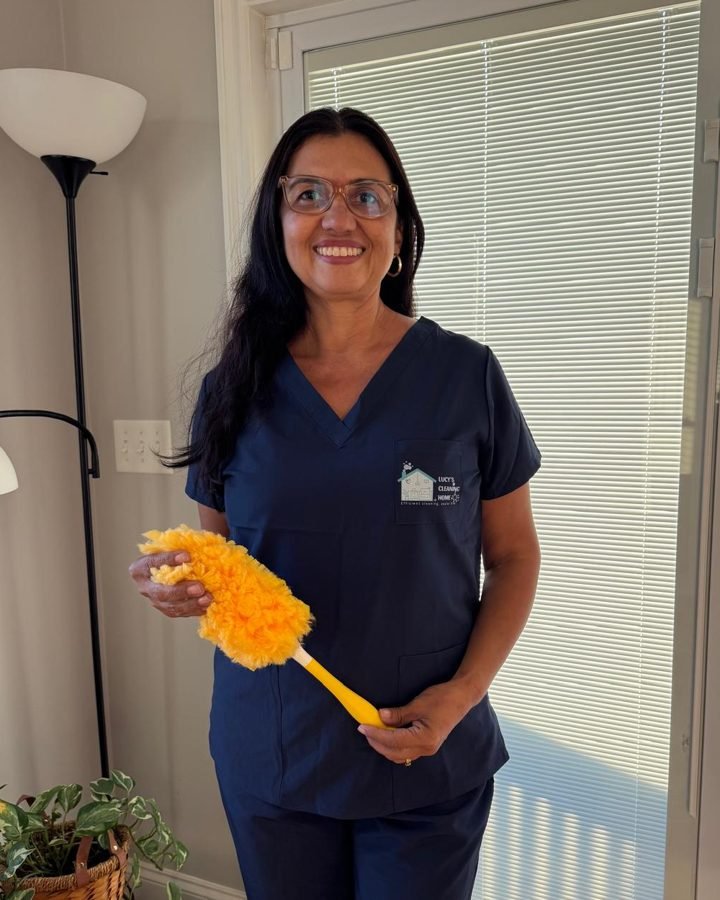
Residential and office cleaning in Haverhill, MA, the Merrimack Valley and southern New Hampshire for more than 16 years. Insured, background-checked, the same team on every visit.
Ready for an office that stays clean?
Get a free, no-obligation quote from Lucy’s Cleaning Home for your office in Haverhill, the Merrimack Valley or southern New Hampshire.